
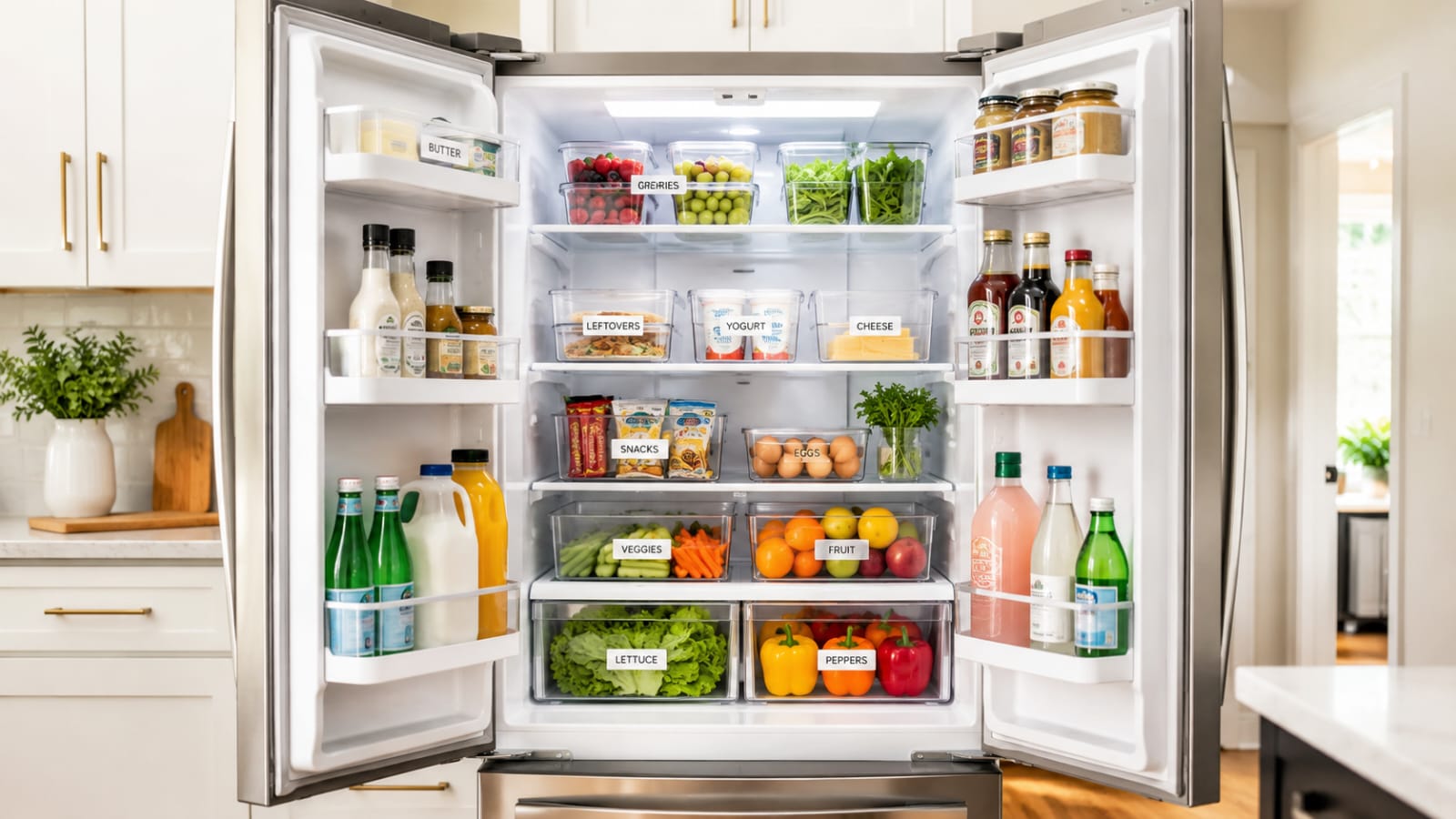
 If you open your refrigerator and immediately feel overwhelmed, you are not alone. Most fridges are a mix of half-used condiments, mystery leftovers, and produce that gets forgotten until it goes bad. A few simple refrigerator organization ideas and fridge organization tips can completely transform your daily routine. When everything has a designated spot, you waste less food, save money, and spend less time staring into the fridge trying to figure out what to make for dinner. The ideas below are simple to implement, budget-friendly, and designed to make your refrigerator easier to use every day.
25 Smart Refrigerator Organization Ideas That Actually Work
1. Empty and Clean Before You Organize
Before adding a single bin or label, take everything out and wipe down every shelf and drawer. This gives you a clean slate and helps you see exactly how much space you actually have. Toss anything expired while you are at it.
Bonus Tip: Do this every three months to keep the fridge smelling fresh and running efficiently.
2. Give Every Shelf a Job
The most functional fridges work like organized offices. Dedicate one shelf to leftovers, one to drinks, one to dairy, and one to meal prep containers. When everything has a home, putting groceries away becomes automatic and finding what you need takes seconds. Creating dedicated zones in your refrigerator works even better when the rest of your kitchen is organized too. Explore our Kitchen Cabinet Organization Ideas for more practical storage solutions that maximize storage and reduce clutter.
Bonus Tip: Put a small label on the edge of each shelf so everyone in the household knows where things belong.
3. Group Similar Items With Clear Bins
Clear bins are the foundation of good fridge storage ideas. Group similar items together, like all your yogurts in one bin and all your lunch meats in another. Clear sides mean you can see everything at a glance without pulling things out and knocking stuff over. Looking for more smart storage solutions? Explore our Under Sink Storage Ideas to organize cleaning supplies, bins, and everyday essentials more efficiently.
Bonus Tip: Choose bins with handles so you can pull the whole group out at once when you need something in the back.
4. Make Condiments Easy to Find
Condiment bottles are the biggest source of fridge clutter. A spinning lazy Susan on one shelf corrals them all in one place and lets you rotate to find what you need without rearranging half the fridge. It works especially well for tall bottles that tend to tip and fall.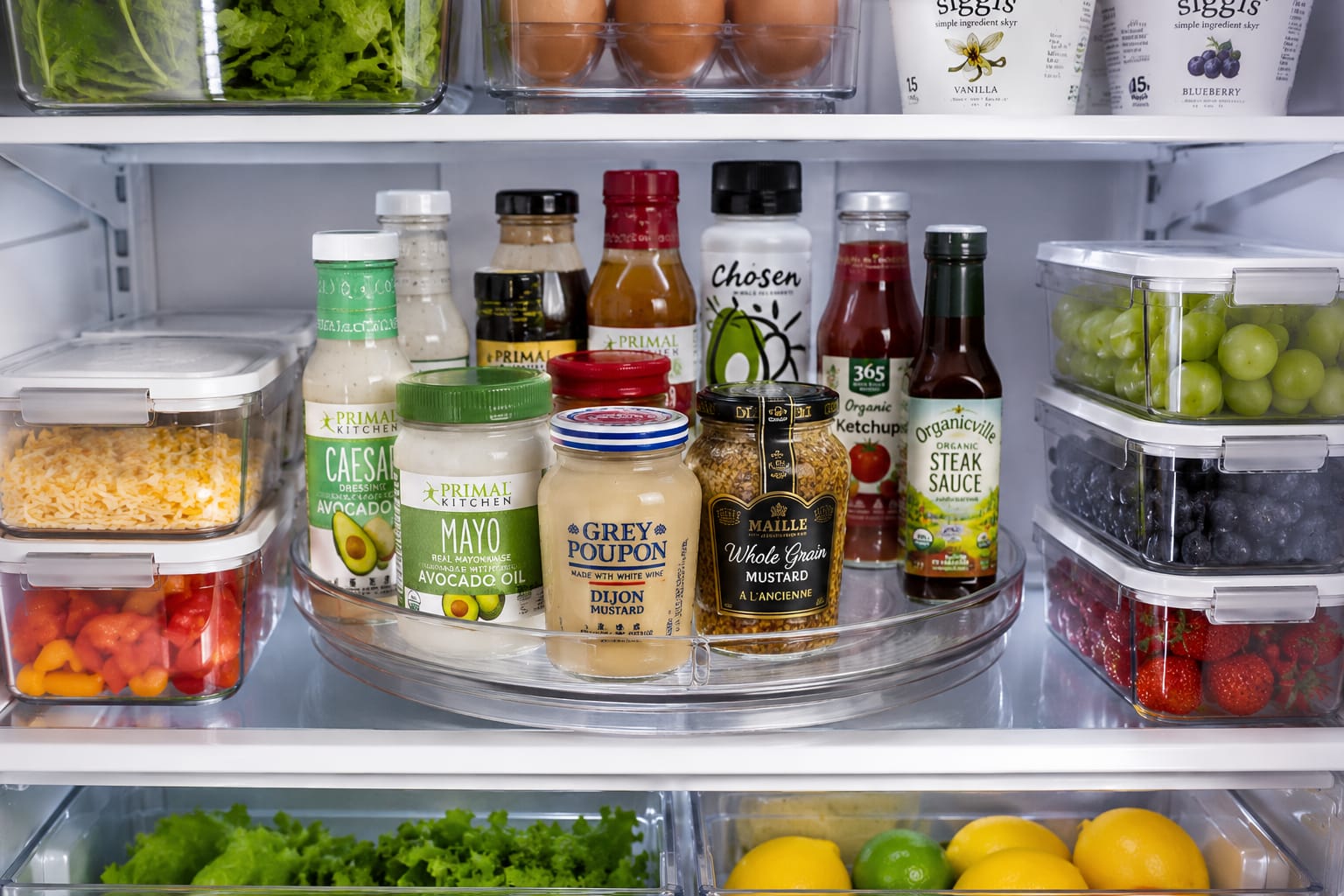
Bonus Tip: Use a small lazy Susan on the top shelf for grab-and-go snacks that kids can reach without making a mess.
5. Store Produce in the Right Drawer
Most refrigerators have two crisper drawers for a reason. One is designed for high humidity items like leafy greens and herbs, and the other is for low humidity items like apples and grapes. Using them correctly keeps produce fresh significantly longer and reduces food waste. For more guidance on storing fruits and vegetables safely, see the USDA FoodKeeper recommendations.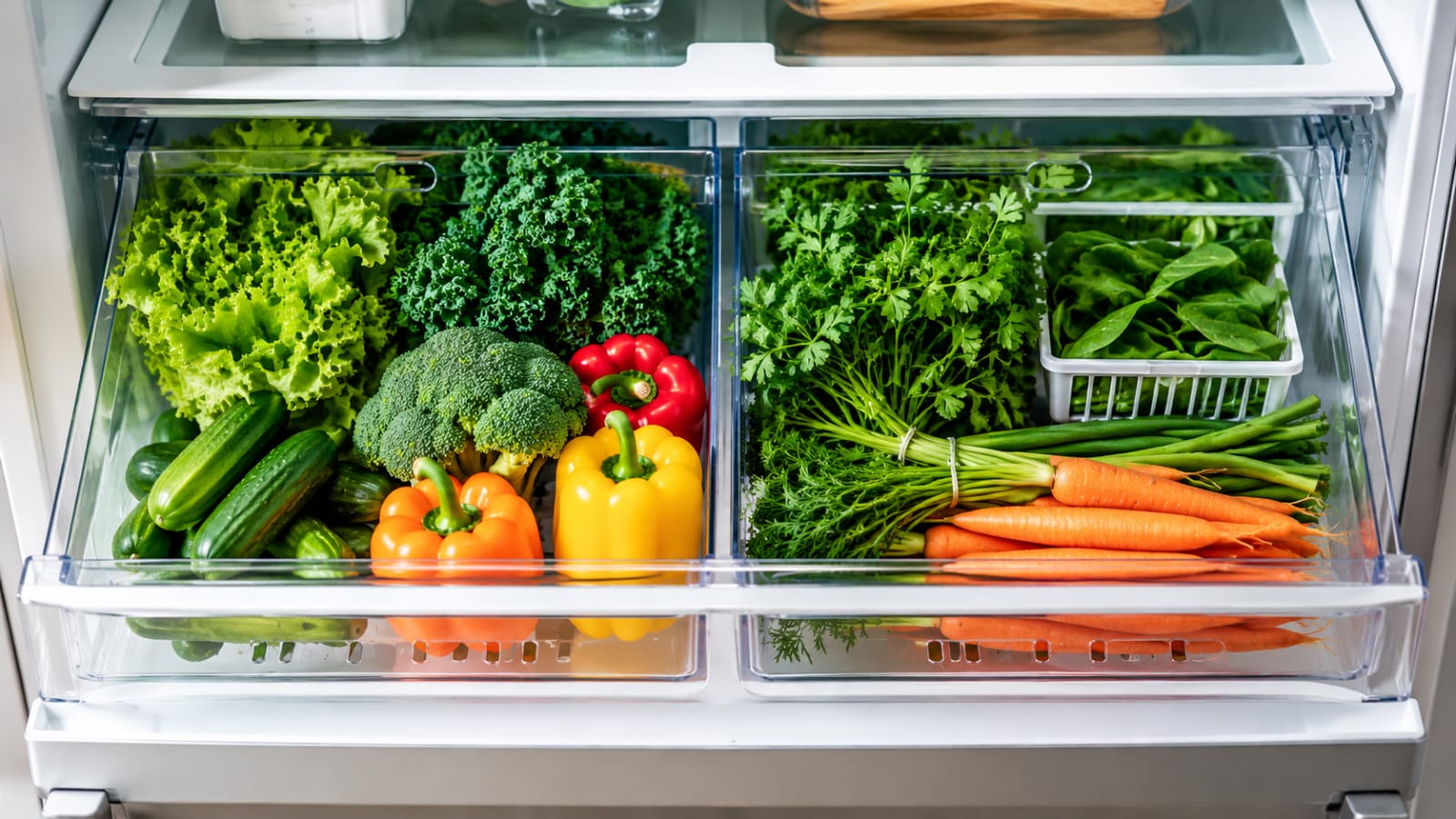
Bonus Tip: Line the crisper drawers with paper towels to absorb excess moisture and extend the life of your greens by several days.
6. Use Egg Holders to Free Up Space
The original egg carton takes up a lot of shelf space and is awkward to stack anything on top of. A slim egg holder keeps eggs organized, takes up less room, and often fits neatly in the door or on a narrow shelf where a carton would not.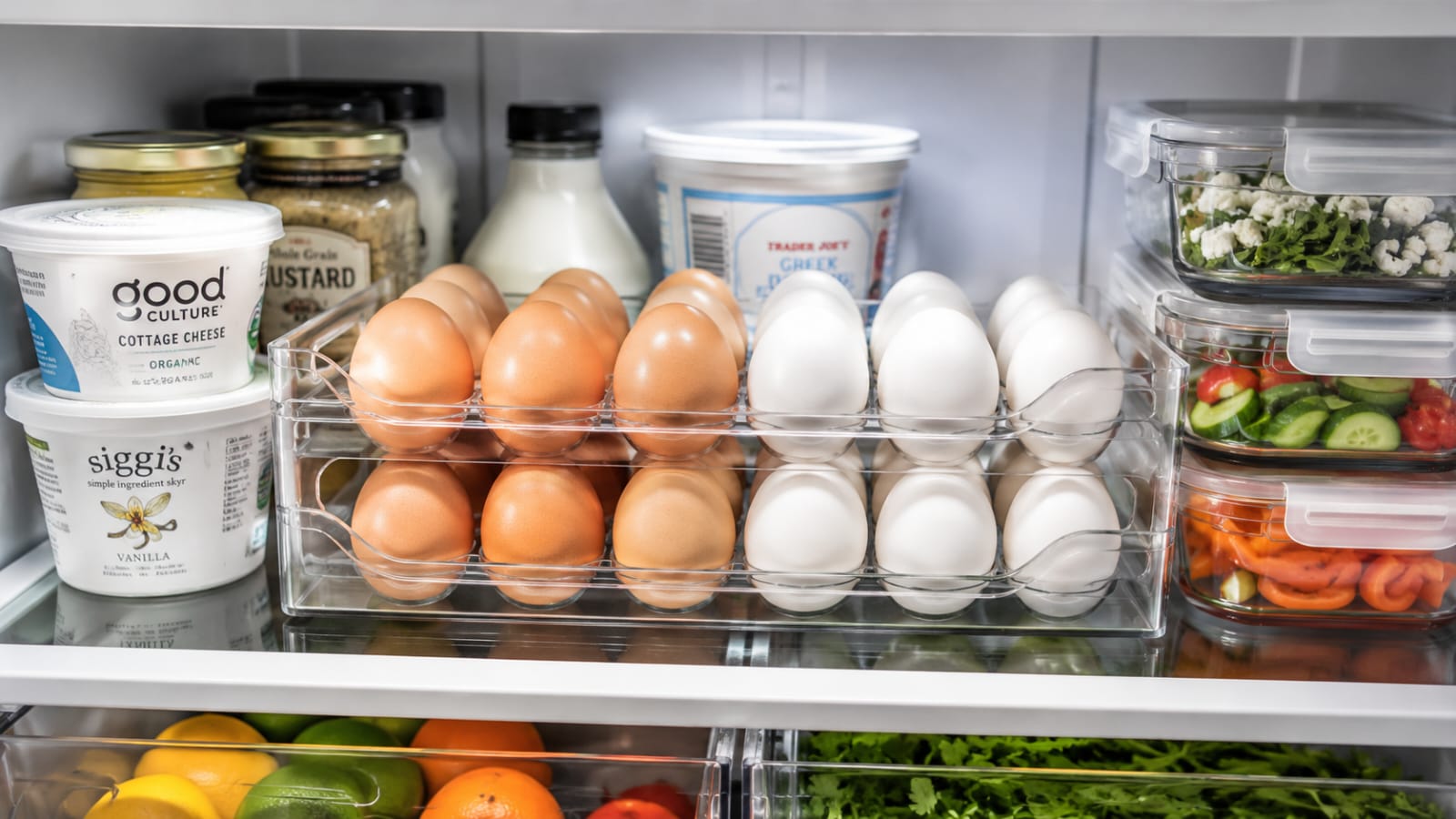
Bonus Tip: Label the egg holder with the purchase date so you always know how fresh your eggs are.
7. Stop Wasting Leftovers
Out of sight means out of mind in the refrigerator. Leftovers stored in the back of a shelf get forgotten and go to waste. Keep them front and center at eye level so they are the first thing you see when you open the door.
Bonus Tip: Use matching clear containers for leftovers so the fridge looks tidy and you can see what is inside without opening each one.
8. Create a Use First Bin
Place a clearly labeled bin near the front of a shelf for items that are close to their expiration date. Anything that needs to be used within the next day or two goes in that bin. This one habit alone can significantly cut down on food waste and save your household real money each month.
Bonus Tip: Check the “use first” bin every morning when making breakfast or packing lunches.
9. Give Drinks Their Own Shelf
Bottles and cans rolling around the fridge take up space inefficiently and make shelves feel chaotic. A drink organizer or a simple bin dedicated to beverages keeps them upright, grouped, and easy to grab. Canned drinks stack especially well in a dispenser that rolls them to the front automatically.
Bonus Tip: Keep a pitcher of filtered water on the same shelf so everyone knows where to grab a cold drink.
10. Use Stackable Containers for Meal Prep
If you meal prep, stackable containers are worth every penny. They use vertical space efficiently and keep your fridge looking neat even when it is fully stocked. Choose a set with matching lids so nothing gets lost.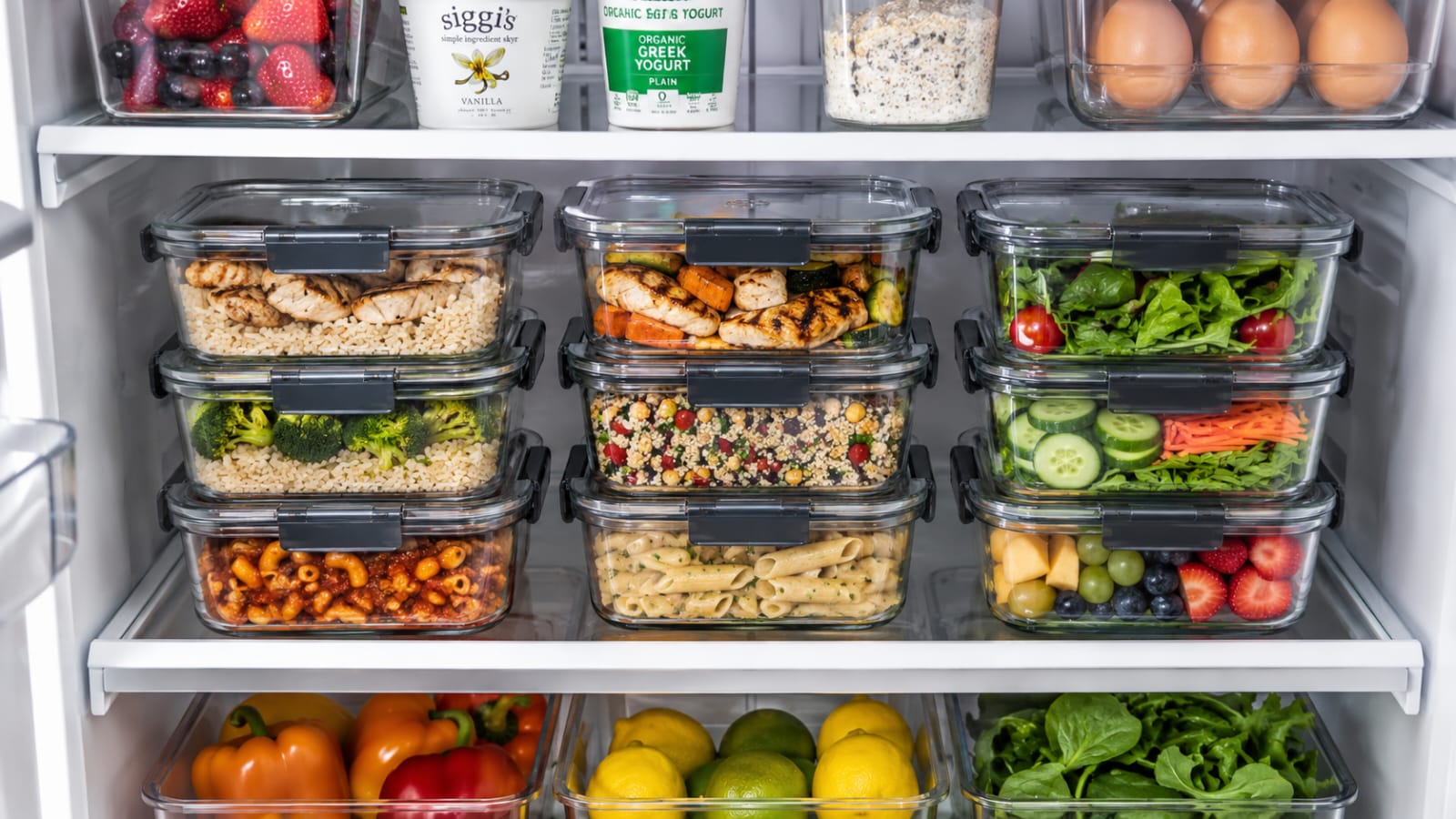
Bonus Tip: Label each container with the contents and date using masking tape and a marker for easy identification during the week.
11. Place Raw Meat on the Lowest Shelf
Food safety matters as much as organization. Raw meat should always go on the lowest shelf so any drips cannot contaminate produce or ready-to-eat foods below. Use a dedicated bin or tray to contain any leaks and make cleanup easy.
Bonus Tip: Keep a small cutting board near the fridge and prep meat directly from the lowest shelf to minimize cross-contamination.
12. Stop Putting Eggs in the Door
The refrigerator door is the warmest part of the fridge, which makes it a poor spot for milk or eggs despite what many people do. Use the door for condiments, juices, and items that are less sensitive to temperature fluctuations. This keeps your most perishable items at a more stable, colder temperature.
Bonus Tip: Add a small lazy Susan to the door shelf to make finding condiments faster without digging through rows of bottles.
13. Use a Soda Can Dispenser
Stacking cans in a pile is inefficient and they roll everywhere the moment you grab one. A soda can dispenser holds an entire six pack in a compact row and rolls the next can forward automatically. It saves space and looks much neater than a loose pile.
Bonus Tip: These dispensers also work great for sparkling water cans, energy drinks, and small juice boxes.
14. Store Cheese in a Dedicated Container
Cheese wrapped loosely in plastic tends to dry out, absorb odors, and take up awkward amounts of shelf space. A dedicated cheese container or deli drawer keeps it fresh longer, contains the smell, and gives it a consistent home so it is never buried under other items.
Bonus Tip: Add a small piece of parchment paper inside the container to absorb moisture and keep the cheese from getting sticky.
15. Keep Herbs Fresh With a Simple Trick
Fresh herbs are expensive and they wilt quickly when stored carelessly. Trim the stems and stand them upright in a small jar of water, then cover loosely with a plastic bag. Store them in the door or on a shelf where they get light. They last up to two weeks this way instead of a few days.
Bonus Tip: Treat green onions the same way. They stay crisp and fresh for weeks in a jar of water in the fridge door.
16. Use a Berry Bin With Ventilation
Berries go bad quickly when moisture builds up around them. A ventilated bin or produce keeper with an adjustable vent keeps air circulating and extends the life of strawberries, blueberries, and raspberries by several days. Rinse berries only right before eating, not before storing.
Bonus Tip: Line the bottom of the berry bin with a dry paper towel to absorb any excess moisture as berries sit.
17. Labels Make the System Stick
Labels take two minutes to apply and make a significant difference in how long an organized fridge stays organized. When every bin has a label, everyone knows where things go and the system maintains itself. Use a label maker, chalkboard labels, or simple masking tape.
Bonus Tip: Include a small “max fill” mark on bins to prevent overstuffing, which makes items hard to see and reach.
18. Create a Snack Zone
If you have kids, designate one clear bin on a low shelf as the snack zone. Fill it with pre-portioned snacks like string cheese, cut fruit, yogurt tubes, and hummus cups. Kids can help themselves without rearranging the entire fridge, and you always know exactly what snacks are available.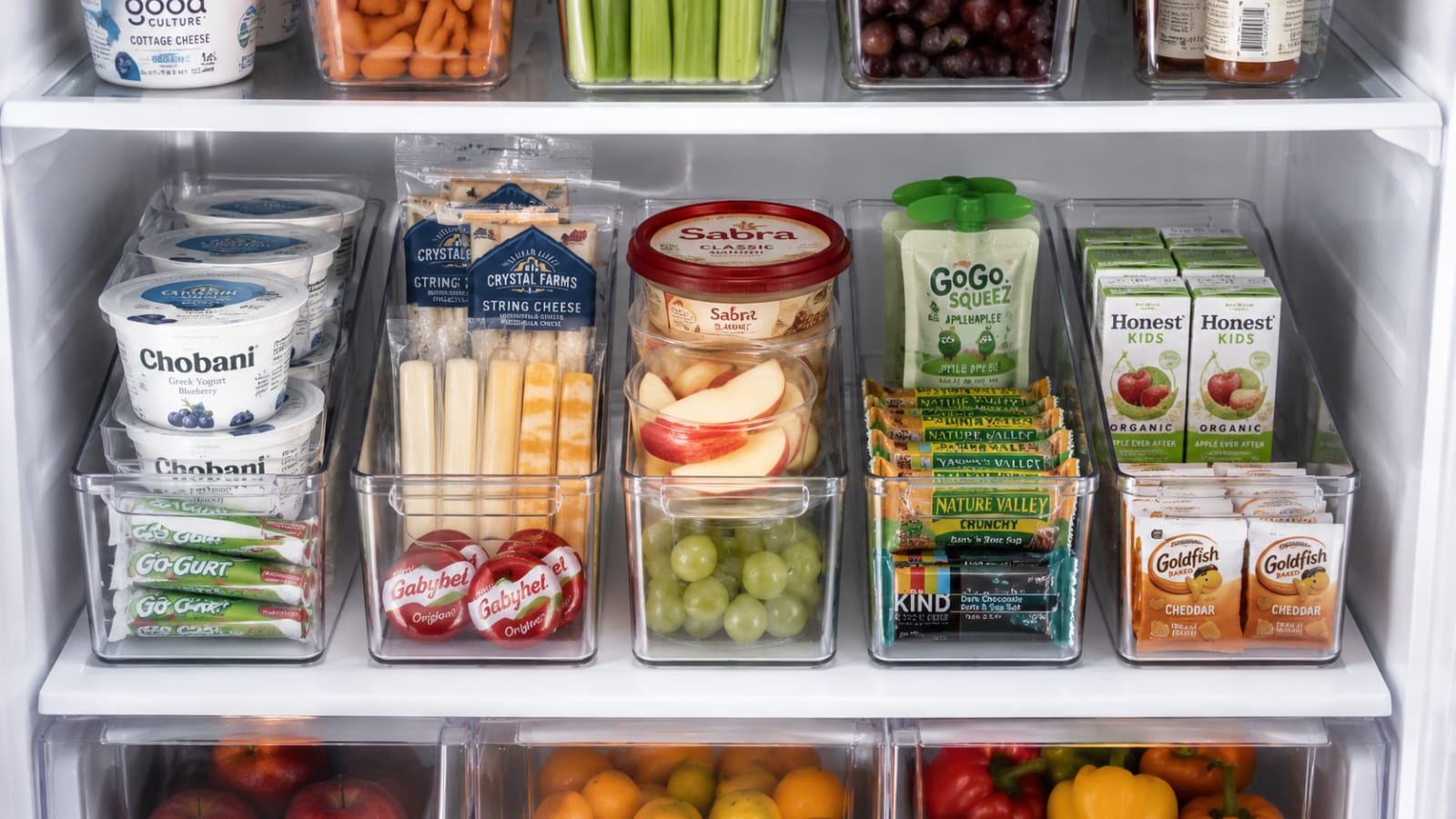
Bonus Tip: Restock the snack bin on Sunday evenings so it is ready for the whole school week ahead.
19. Store Deli Meat Flat in a Shallow Tray
Deli meat packages stacked randomly take up far more space than necessary. A shallow tray or dedicated deli drawer keeps them flat, organized, and easy to flip through when you are making sandwiches. It also prevents the packages from sliding to the back and getting forgotten.
Bonus Tip: Keep a small container of individual cheese slices right next to the deli tray so sandwich ingredients are always together.
20. Use Binder Clips to Hang Small Bags
Small bags of shredded cheese, frozen vegetables, or snacks that are half used tend to fall over and spill in the fridge. Binder clips attached to a shelf edge hold them upright with the opening clipped shut. It is a simple, nearly free solution that prevents a surprisingly common source of fridge mess.
Bonus Tip: This trick also works well in the freezer for bags of frozen fruit, edamame, or any open bag that tends to tip and spill.
21. Track What You Have With a Whiteboard
A small magnetic whiteboard on the outside of the fridge door is a practical tool for tracking what is inside and what needs to be used soon. Write down items as you open them and erase them when they are finished. It reduces duplicate purchases and prevents forgotten food from going to waste.
Bonus Tip: Use the whiteboard to write the week’s meal plan so everyone in the household knows what is for dinner without asking.
22. Store Butter in a Covered Dish
Butter left on a shelf absorbs fridge odors quickly and dries out at the edges when wrapped loosely in foil. A covered butter dish keeps it fresh, odor-free, and easy to grab. It also prevents the wrapper from unrolling and taking up extra space on the shelf.
Bonus Tip: If you use butter daily, keep one stick on the counter in a covered butter crock at room temperature for easy spreading and save fridge space for backup sticks.
23. Keep Baking Ingredients Together
If you bake regularly, keeping cream cheese, butter, eggs, and other baking staples in one designated bin makes it easy to grab everything at once. You always know what you have on hand and what needs to be restocked before your next baking session.
Bonus Tip: Add a sticky note inside the bin listing the basic baking staples so you can check inventory at a glance before shopping.
24. Use Slim Bins for the Fridge Door
Standard fridge door shelves often leave awkward gaps between items. Slim clear bins drop right into door shelves and keep small items like hot sauce, mustard packets, and salad dressings grouped neatly instead of scattered randomly. They are inexpensive and make the door look intentional rather than cluttered.
Bonus Tip: Keep one slim bin specifically for kids’ condiments like ketchup and ranch so they always know where their favorites are.
25. Reset the Fridge Every Week
No organization system stays perfect without maintenance. A quick weekly reset before grocery shopping, where you move older items forward, toss anything expired, and wipe up any spills, keeps the fridge functional and prevents clutter from building up over time. Ten minutes a week saves hours of deep cleaning later.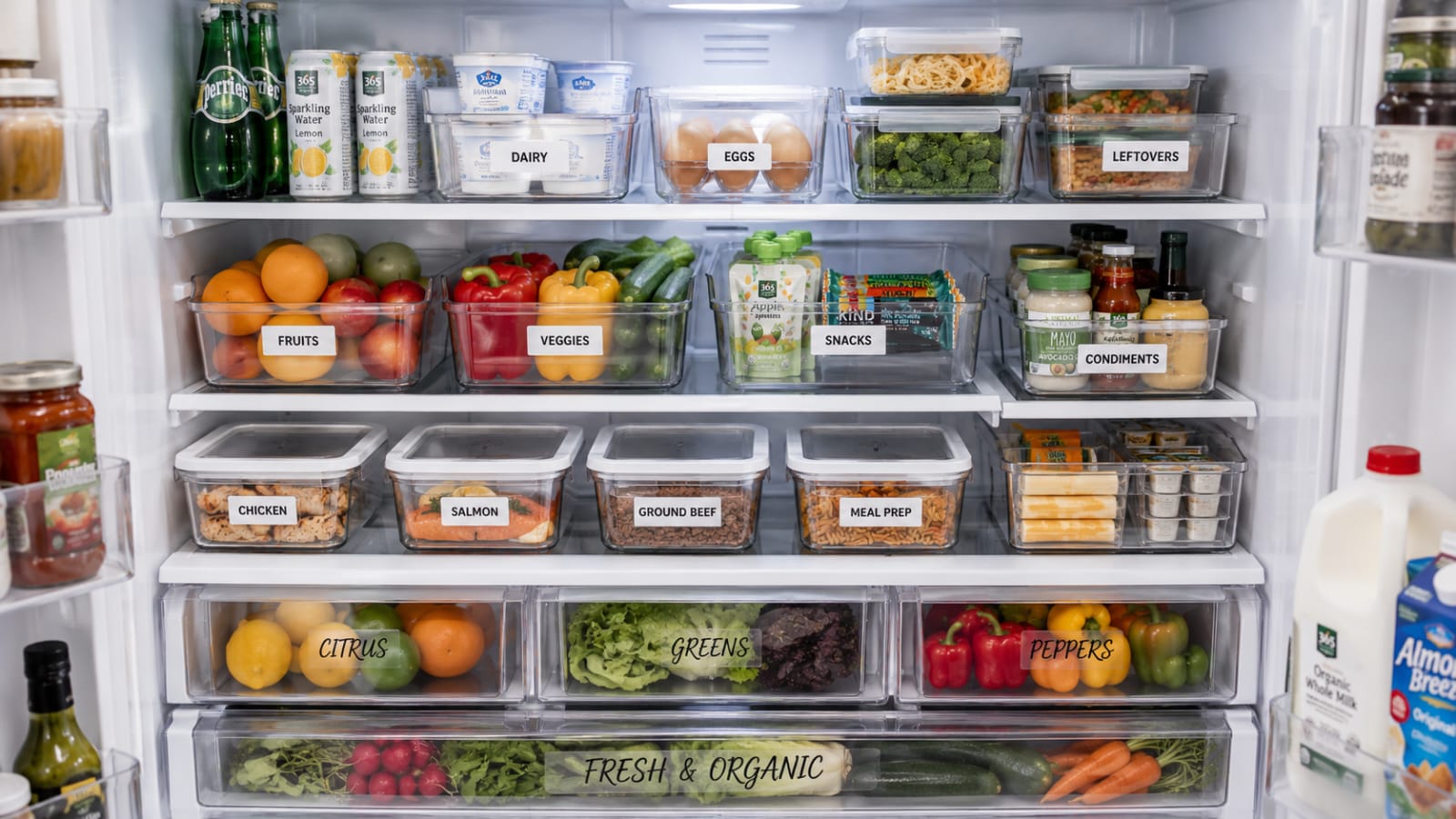
Bonus Tip: Do the fridge reset right before you make your grocery list so you know exactly what you already have and what needs restocking.
Common Refrigerator Organization Mistakes
Storing items in the wrong temperature zones. The door is the warmest part of the fridge. Keep milk, eggs, and leftovers on interior shelves where it is coldest, not in the door where temperatures fluctuate.
Overstuffing shelves. A packed fridge blocks airflow and makes it impossible to see what you have. Leave some breathing room on each shelf so cold air can circulate properly.
Skipping labels. Without labels, organization systems fall apart within a week because nobody knows where things belong. Labels take two minutes and make the system self-maintaining.
Ignoring expiration dates. Items that have expired take up valuable space and can create odors that spread to other foods. Check dates during your weekly reset and toss anything past its prime.
Buying organizers before measuring. Bins that are even slightly too wide or too tall will not fit your shelves. Always measure before buying any refrigerator organization products.
Quick Maintenance Tips
- Wipe up spills immediately before they dry and become harder to clean
- Check the “use first” bin every morning to reduce daily food waste
- Restock and reorganize the fridge before every grocery run
- Deep clean the entire fridge every three months including the drawers
- Keep baking soda in the back of the fridge to absorb odors naturally
Quick Fridge Organization Checklist
Use this checklist every week to keep your fridge running smoothly:
- ✅ Remove expired food
- ✅ Wipe down shelves and drawers
- ✅ Group similar items back into their zones
- ✅ Label any new bins or containers
- ✅ Check the use first bin and plan meals around it
Best Refrigerator Organizers at a Glance
| Organizer | Best For | Budget |
|---|---|---|
| Clear Bins | Dairy, snacks, and drinks | $ |
| Lazy Susan | Condiments and sauces | $$ |
| Egg Holder | Eggs and small items | $ |
| Can Organizer | Canned drinks and sparkling water | $$ |
| Stackable Containers | Meal prep and leftovers | $$ |
| Produce Storage Bin | Fruits and vegetables | $$ |
Recommended Products for Refrigerator Organization
These are some of the most useful products for building an organized fridge that actually stays tidy. Each one solves a specific storage problem and is available on Amazon.
- Clear Refrigerator Bins: Great for grouping dairy, snacks, and drinks so everything stays visible and easy to grab without pulling out half the shelf.
- Lazy Susan Turntable: Perfect for condiments and sauces. One spin brings everything to the front so you stop moving bottles around every time you cook.
- Egg Holder: Frees up shelf space, keeps eggs organized, and makes it easy to count how many you have left at a glance.
- Soda Can Organizer: Keeps canned drinks upright in a compact row and automatically rolls the next one forward when you grab one.
- Stackable Food Containers: Ideal for meal prep and leftovers. Matching lids and straight sides mean they stack cleanly and use vertical space efficiently.
- Produce Storage Bin: Extends the life of fruits and vegetables with adjustable ventilation that controls humidity and slows down spoilage.
Frequently Asked Questions
How often should you organize your refrigerator? A quick tidy before every grocery run keeps the fridge manageable. Do a deeper clean and full reorganization every three months to remove expired items, wipe shelves, and reset any zones that have drifted out of order.
What is the best way to store vegetables in the fridge? Use the high-humidity crisper drawer for leafy greens, herbs, and broccoli. Store apples, grapes, and peppers in the low-humidity drawer. Line drawers with paper towels to absorb excess moisture and extend freshness.
Should eggs be stored in the refrigerator door? No. The door is the warmest part of the fridge and temperatures fluctuate every time it opens. Store eggs on an interior shelf where the temperature stays consistently cold to keep them fresh longer and reduce the risk of spoilage.
How can I reduce food waste in my fridge? Use a dedicated “use first” bin for items close to expiration. Keep leftovers at eye level so they are visible. Do a quick fridge check before shopping so you only buy what you actually need and use what you already have.
What refrigerator organizers are worth buying? Clear bins, a lazy Susan, a can dispenser, and stackable containers deliver the most value for most households. Start with these four and add a produce storage bin and egg holder once the basics are in place.
Can an organized refrigerator help lower food waste? Yes. Keeping similar foods together and placing items that expire soon in a visible “use first” bin makes them easier to remember before they spoil. Most households see a noticeable drop in wasted food within the first week.
Refrigerator Organization Ideas: Final Thoughts
An organized refrigerator is one of the most practical upgrades you can make to your kitchen routine. It saves money by reducing food waste, saves time by making ingredients easy to find, and makes meal prep feel significantly less stressful. Start with one or two ideas from this list today, whether that is a lazy Susan for condiments or a dedicated snack bin for the kids, and build from there. Small improvements add up fast. These refrigerator organization ideas are simple to implement and can make a big difference in your daily routine. By following these simple organization tips, you can maximize storage space, reduce food waste, and keep your fridge clean, organized, and easy to maintain all year round.
Start with just one shelf today, then organize the rest of your refrigerator over the next few days. Small steps make the whole process feel manageable.
Ready to organize your kitchen even further? Explore our other home organization guides for practical ideas that make every room easier to manage.

Hi, I’m Shankar, the founder of Nestory Home. I share practical home organization, storage, and home decor ideas to help you create a clean, functional, and beautiful home. Every guide is designed to be simple, budget-friendly, and easy to put into practice.